

Not every wisdom tooth needs removing. When extraction is advised, what to look out for, and how assessment works at our Finchley Road practice.
Wisdom teeth are the third molars at the very back of the mouth. They usually come through in the late teens or early twenties, and some people never develop them at all.
No. If your wisdom teeth have come through fully, are healthy and you can keep them clean, they can often stay. Removing healthy, symptom-free wisdom teeth is not usually recommended in the UK.
Swelling or tenderness at the back of the mouth, a bad taste, difficulty opening your mouth or pain when biting can all point to a wisdom tooth problem. If swelling spreads to your face or neck, or you have difficulty swallowing or breathing, seek urgent medical help.
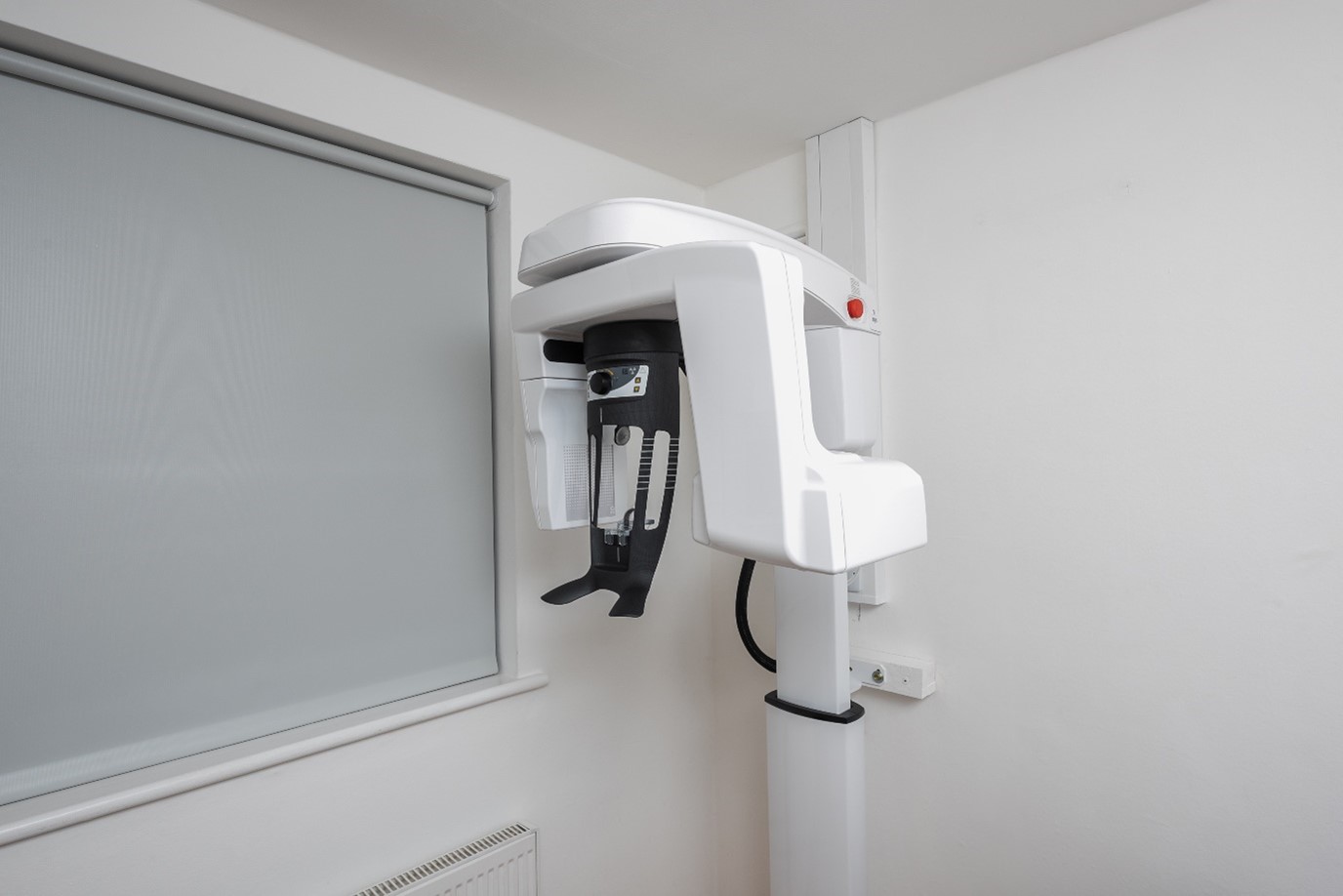
We examine the area and usually take an X-ray to see the position of the tooth and its roots. If removal is advised, we explain the procedure, the recovery and the risks, such as dry socket, swelling and, for some lower teeth, the possibility of nerve-related numbness. Some complex cases are referred elsewhere.
Most extractions are done under local anaesthetic. Recovery varies, but swelling and stiffness typically settle over a few days to a week. Read more on our wisdom tooth removal page.
Dental Wellness Finchley Road, 106 Finchley Rd, South Hampstead, London NW3 5JJ.
Call 020 3813 3848, message us on WhatsApp (07522 141064), email smile@dentalwellnessfinchleyroad.co.uk or book online.
